Common sayings like “Three parts exercise, seven parts nutrition”, “Your diet shapes your physique”, and “Abs are built in the kitchen” all highlight the profound significance of diet for fitness. On the journey to pursuing fitness goals, many people focus on refining their training plans but overlook nutrition as a core element. In fact, nutrition and exercise are not independent of each other; they are complementary and indispensable components of a whole. Understanding why nutrition can profoundly impact fitness results and how to scientifically plan your diet to support fitness goals is key knowledge that every fitness enthusiast needs to master. This article will delve into the importance of nutrition for fitness, share practical nutrition matching skills, and help you avoid detours on your fitness journey to achieve your ideal physique and health status more quickly.

The Extent of Nutrition’s Impact on Fitness
Nutrition’s impact on fitness results is beyond imagination. Although the specific ratio of “70% diet + 30% exercise” is difficult to accurately quantify, the two are like two sides of a coin—neither can be dispensed with. Working hard in the gym but consuming a lot of junk food every day will greatly diminish fitness effects; conversely, even with a perfect diet, long-term lack of exercise will not help build a strong physique.
From a practical fitness perspective, nutrition is the foundation for bodily functions and athletic performance. The energy consumed during exercise and the raw materials needed for muscle repair and growth all depend on the supply of daily diet. A reasonable diet can keep you energetic during training, improving exercise intensity and duration; while an improper diet may lead to fatigue, slow recovery, and even increase the risk of injury. Therefore, to maximize fitness results, nutrition planning must be given equal importance as training plans.
Core Nutrition Strategies to Support Fitness Goals
(1) Track Your Calories
Whether your fitness goal is fat loss, muscle gain, or maintaining your figure, tracking daily calorie intake is the primary step. Many foods contain far more calories than expected, and without monitoring, it’s easy to experience calorie surplus or deficiency. By recording manually or using professional diet-tracking apps, you can clearly understand your diet structure, accurately judge whether you need to adjust calorie intake, and provide data support for your fitness goals.
(2) Control Portion Sizes Reasonably
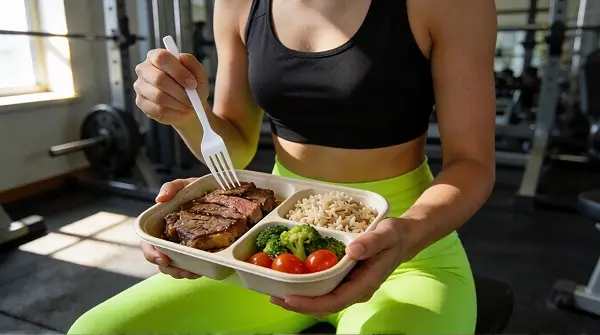
Portion size is just as important as the type of food. First, you need to calculate your Basal Metabolic Rate (BMR) and optimal daily calorie intake. Based on this, plan the portion sizes for each meal and snack according to your fitness goals and exercise intensity. This not only ensures your body gets enough energy and nutrients but also avoids calorie accumulation from overeating or compromised training results and physical recovery due to insufficient intake.
(3) Choose Snacks Scientifically
Snacking itself is not a taboo for fitness; the key lies in selecting appropriate foods and incorporating them into your daily calorie and nutrient plans. You should abandon processed foods and high-sugar snacks and prioritize nutrient-dense, satiating options such as:
- Peanut butter paired with apple slices, carrot sticks, or celery sticks (raisins can be added as a topping)
- A combination of mixed berries and Greek yogurt
- Hard-boiled eggs
- A small handful of mixed nuts
- Protein shakes and smoothies
- Homemade protein bars
- Overnight oats
These snacks can not only supplement energy but also provide nutrients like protein and dietary fiber, helping your body maintain a good state.
(4) Avoid “Drinking Calories”
Many people easily overlook the calories in beverages, but in fact, some drinks are extremely high in calories and are one of the main causes of calorie excess. Protein shakes help supplement protein, and black coffee or pre-workout supplements can boost energy and focus during exercise. Beyond that, plain water should be your primary beverage of choice—it is calorie-free and maintains body hydration, which is crucial for athletic performance and overall health. At the same time, you need to strictly control the intake of high-sugar sodas, alcoholic beverages, energy drinks, and sugary fruit juices. These drinks are not only high in calories but may also affect metabolism and physical recovery.
(5) Make Good Use of Fitness Supplements
Supplements can effectively compensate for the deficiencies of daily diets and are great helpers for improving fitness results. Common practical supplements include:

- Protein powder: Available in a variety of flavors, it can be mixed with milk, water, fruits, vegetables, nut butters, and other ingredients to make smoothies. It conveniently supplements protein to support muscle growth and repair.
- Creatine: Taking 5 grams of creatine daily can enhance athletic performance and increase training intensity. As your creatine stores build up, your body’s strength and endurance will gradually improve.
- Pre-workout supplements: Taken 30 minutes before exercise, they can quickly boost energy levels and focus, allowing you to perform better during high-intensity training.
- Mass gainers: Suitable for those aiming to build muscle but struggling to consume enough calories and nutrients through daily diets. In addition to protein, these powders are rich in complex carbohydrates and healthy fats, effectively supplementing nutrients and helping to increase muscle mass.
Nutrition and Exercise: The Dual Core of Fitness
Nutrition is just as important as exercise, and in some aspects, its impact is even more critical. The two are not mutually exclusive but work synergistically and promote each other.
A high-quality training plan will struggle to achieve ideal results without corresponding nutritional support. Adequate amounts of high-quality protein provide raw materials for muscle growth and promote muscle repair after high-intensity training; healthy fats help improve blood circulation, regulate hormones, and stabilize blood sugar levels; complex carbohydrates provide sustained and stable energy for daily activities and exercise.
In addition, the timing of nutrition intake also affects athletic performance. Consuming carbohydrates and an appropriate amount of protein before physical activity supplements the energy your body needs to perform at its best. After exercise, nutrition should focus on additional protein to accelerate muscle tissue repair and promote the growth of lean muscle mass. At the same time, adequate hydration is crucial for maintaining optimal athletic performance and overall health, so you should develop a habit of regular water intake in daily life.
Other Key Factors Affecting Fitness Goals
(1) Regular Exercise
Whether for fat loss or muscle gain, regular exercise is indispensable. You need to find a fitness plan that suits you, build an active lifestyle, and persist in the long term to see significant results.
(2) A Positive Mindset
Mindset plays an important role in the fitness process and should not be underestimated. When you start focusing on nutrition matching and choosing a healthy diet, both your body and mind will gradually adapt to and accept this healthy lifestyle, making it easier for you to persist and form a virtuous cycle.
(3) Genetic Factors
There are certain individual differences in fitness results, which are related to genetic factors. Some people naturally find it easier to lose fat or gain muscle, while others need to put in more effort. When formulating fitness and nutrition plans, you should fully consider your own situation, avoid blind comparison with others, and improve yourself step by step.
A Beginner’s Guide to Sports Nutrition
Diet plays a central role in the fitness journey, but it is often difficult to meet all the body’s nutritional needs under high-intensity training through food alone. This is why supplements are favored by fitness enthusiasts. For different fitness goals, you can choose corresponding supplements: those aiming to build muscle can pair protein powder and mass gainers; before engaging in high-intensity training, pre-workout supplements can be used to boost your state; if you want to enhance athletic performance, strength, and endurance, high-quality creatine is a good choice.
Enhance Your Performance with CrazyNutrition
Supplements are often the missing piece of the puzzle when it comes to achieving fitness goals. Therefore, adding suitable supplements to your daily routine is a no-brainer. On the basis of a daily diet and training, reasonably adding supplements that suit you can double the fitness effect, making it a wise choice to improve athletic performance and accelerate the achievement of your goals.